

As a supplier of Buried Copper Block PCB, I often get asked some pretty interesting questions. One that's been coming up a lot lately is, "Can a Buried Copper Block PCB be made flexible?" Let's dig into this topic and see what we can find out.
First off, let's quickly talk about what a Buried Copper Block PCB is. A Buried Copper Block PCB is a type of printed circuit board that has copper blocks embedded within its layers. These copper blocks are super useful because they help with heat dissipation. In high - power applications, components generate a lot of heat, and if that heat isn't managed properly, it can lead to all sorts of problems like reduced component lifespan and performance issues. The copper blocks act like heat sinks, pulling the heat away from the components and spreading it out across the board.
Now, onto the main question: flexibility. Traditional PCBs are usually rigid. They're made of materials like fiberglass - reinforced epoxy resin (FR - 4), which gives them a solid and stable structure. But in some applications, like wearables, medical devices, and aerospace equipment, there's a need for flexible PCBs. These can bend and flex without breaking, allowing for more creative and space - efficient designs.
So, can we make a Buried Copper Block PCB flexible? Well, it's not an easy yes or no answer. There are a few factors we need to consider.
Material Compatibility
The first thing we have to think about is the materials used in a Buried Copper Block PCB. The copper blocks themselves are pretty rigid. Copper is a metal with a certain level of stiffness. When we talk about making a PCB flexible, we need to use flexible base materials. Polyimide is a common choice for flexible PCBs. It has excellent flexibility, high - temperature resistance, and good electrical properties.
However, combining the rigid copper blocks with a flexible polyimide substrate can be tricky. The difference in the mechanical properties between the copper and the polyimide can cause stress concentrations when the board is bent. Over time, these stress concentrations can lead to cracks in the copper blocks or delamination between the copper and the substrate.
Manufacturing Process
The manufacturing process of a Buried Copper Block PCB also plays a big role. Making a traditional rigid Buried Copper Block PCB involves multiple steps like drilling, plating, and lamination. These processes are optimized for rigid materials. When we try to adapt them for a flexible design, we run into some challenges.
For example, during the lamination process, we need to make sure that the copper blocks are firmly embedded in the flexible substrate without causing any damage. The pressure and temperature used in lamination need to be carefully controlled to avoid warping or cracking of the flexible material.
Design Considerations
Design is another crucial aspect. If we want to make a flexible Buried Copper Block PCB, we need to design it in a way that minimizes stress on the copper blocks. This could involve using smaller copper blocks or arranging them in a pattern that allows for more flexibility.
We also need to pay attention to the routing of the traces on the board. Traces near the copper blocks need to be designed to accommodate the bending of the board without breaking. This might mean using wider traces or adding extra vias to improve the reliability of the electrical connections.
Potential Solutions
Despite these challenges, there are some potential solutions to make a Buried Copper Block PCB flexible.
One approach is to use a hybrid design. We can have a combination of rigid and flexible sections on the board. The rigid sections can house the copper blocks, while the flexible sections can be used for areas that need to bend. This way, we can take advantage of the heat - dissipation properties of the copper blocks while still achieving the flexibility required for certain applications.
Another solution is to modify the copper blocks themselves. We could use thinner copper blocks or etch them in a way that makes them more flexible. For example, creating a grid - like pattern on the copper blocks can reduce their stiffness and make them more adaptable to bending.
Applications and Market Demand
There's definitely a market demand for flexible Buried Copper Block PCBs. In the wearable technology industry, for example, devices like smartwatches and fitness trackers are becoming more and more popular. These devices need to be small, lightweight, and flexible. A flexible Buried Copper Block PCB could help manage the heat generated by the high - performance components in these devices while still fitting into the compact and bendable form factors.
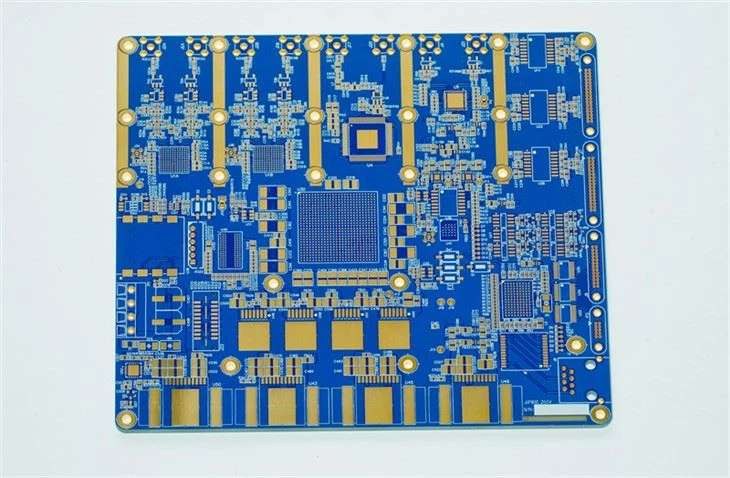

In the medical field, flexible PCBs are used in devices like implantable sensors and diagnostic equipment. These applications often require heat management, and a flexible Buried Copper Block PCB could be a great solution.
Other Related PCB Types
While we're on the topic of PCBs, it's worth mentioning a couple of other related types. High - Precision Hybrid Dielectric PCB is one. These PCBs use a combination of different dielectric materials to achieve high - precision electrical performance. They're often used in high - frequency applications where signal integrity is crucial.
Another type is the Rogers High Frequency PCB. Rogers is a well - known brand that offers high - performance materials for high - frequency PCBs. These PCBs are used in applications like wireless communication, radar systems, and satellite communication.
Conclusion
In conclusion, making a Buried Copper Block PCB flexible is a challenging but not impossible task. It requires careful consideration of materials, manufacturing processes, and design. With the right approach, we can overcome the challenges and create a flexible Buried Copper Block PCB that meets the needs of various industries.
If you're interested in learning more about Buried Copper Block PCBs, whether flexible or rigid, or if you have a specific project in mind, I'd love to have a chat with you. We can discuss your requirements and see how we can work together to find the best solution. Don't hesitate to reach out for a procurement discussion.
References
- IPC - 2223: Sectional Design Standard for Flexible Printed Boards
- "Flexible Printed Circuit Technology" by Henry C. Dietz
- Technical papers on copper - block PCB design and flexible PCB manufacturing from industry conferences.