

High-speed PCB
Your Professional High-speed PCB Manufacturer!
Shenzhen Tontek Circuits Co., Ltd, one of China's leading printed circuit board (PCB) manufacturers, was founded in 2006. The company has established core product advantages in high-density interconnect (HDI) PCBs, any-layer HDI PCBs, multilayer PCBs, high-frequency PCBs, high-speed PCBs, RF antenna PCBs, and ultra-fast storage SSDs.
-
![Heavy Copper PCB]() Heavy Copper PCBA Heavy Copper PCB is a printed circuit board where the conductive layer (typically copper foil) is significantly thicker than that of standard PCBs. Standard PCBs typically have copper weights...read more
Heavy Copper PCBA Heavy Copper PCB is a printed circuit board where the conductive layer (typically copper foil) is significantly thicker than that of standard PCBs. Standard PCBs typically have copper weights...read more -
![Halogen-Free PCB]() Halogen-Free PCBA Halogen-Free PCB is an eco-friendly printed circuit board that excludes chlorine (Cl), bromine (Br), and other halogen elements, defined by:read more
Halogen-Free PCBA Halogen-Free PCB is an eco-friendly printed circuit board that excludes chlorine (Cl), bromine (Br), and other halogen elements, defined by:read more
1. Material Composition:
Halogen... -
![Blind And Buried Via PCB]() Blind And Buried Via PCBA Blind & Buried Via PCB is a type of High-Density Interconnect (HDI) Printed Circuit Board that utilizes special via structures different from traditional through-hole vias (which go through the...read more
Blind And Buried Via PCBA Blind & Buried Via PCB is a type of High-Density Interconnect (HDI) Printed Circuit Board that utilizes special via structures different from traditional through-hole vias (which go through the...read more -
![HDI Circuit Board]() HDI Circuit BoardHDI PCB (High-Density Interconnect Printed Circuit Board) is a type of printed circuit board manufactured using advanced fine-line technology. Its defining characteristic is significantly higher...read more
HDI Circuit BoardHDI PCB (High-Density Interconnect Printed Circuit Board) is a type of printed circuit board manufactured using advanced fine-line technology. Its defining characteristic is significantly higher...read more -
![High-speed Transmission PCB]() High-speed Transmission PCBHigh-Speed PCB refers to printed circuit boards engineered for transmitting high-speed digital signals (typically ≥1GHz) or high-frequency analog signals (≥100MHz), High-Speed PCBs balance time...read more
High-speed Transmission PCBHigh-Speed PCB refers to printed circuit boards engineered for transmitting high-speed digital signals (typically ≥1GHz) or high-frequency analog signals (≥100MHz), High-Speed PCBs balance time...read more -
![Semiconductor Test Board]() Semiconductor Test BoardA semiconductor test board (Load Board) is a high-precision interface substrate designed for IC mass production testing and characterization, featuring:read more
Semiconductor Test BoardA semiconductor test board (Load Board) is a high-precision interface substrate designed for IC mass production testing and characterization, featuring:read more
1. Electrical interfacing between... -
![Semiconductor Test PCB]() Semiconductor Test PCBAn Any-Layer HDI PCB is the most technologically advanced and complex type of High-Density Interconnect (HDI) printed circuit board. Its defining characteristic is the use of any-layer...read more
Semiconductor Test PCBAn Any-Layer HDI PCB is the most technologically advanced and complex type of High-Density Interconnect (HDI) printed circuit board. Its defining characteristic is the use of any-layer...read more -
![High-frequency High-speed PCB]() High-frequency High-speed PCBHigh-Frequency High-Speed PCB refers to a special type of printed circuit board specifically designed for transmitting and processing high-frequency signals (typically above 1GHz) and high-speed...read more
High-frequency High-speed PCBHigh-Frequency High-Speed PCB refers to a special type of printed circuit board specifically designed for transmitting and processing high-frequency signals (typically above 1GHz) and high-speed...read more -
![AI Server PCB]() AI Server PCBAn AI Server Circuit Board (typically referring to the motherboard) is a specialized printed circuit board (PCB) designed and optimized specifically for running artificial intelligence (AI)...read more
AI Server PCBAn AI Server Circuit Board (typically referring to the motherboard) is a specialized printed circuit board (PCB) designed and optimized specifically for running artificial intelligence (AI)...read more -
![Communication Equipment PCB]() Communication Equipment PCBA Communication Equipment Circuit Board is the core component of electronic devices used for information transmission, reception, and processing. It is a printed circuit board (PCB) populated with...read more
Communication Equipment PCBA Communication Equipment Circuit Board is the core component of electronic devices used for information transmission, reception, and processing. It is a printed circuit board (PCB) populated with...read more -
![Protruding Copper PCB]() Protruding Copper PCBProtruding Copper PCB refers to a specialized circuit board featuring localized 3D copper structures (50-200μm above the conductor plane) created via selective plating or etching. Its core...read more
Protruding Copper PCBProtruding Copper PCB refers to a specialized circuit board featuring localized 3D copper structures (50-200μm above the conductor plane) created via selective plating or etching. Its core...read more -
![High-Temperature Polyimide PCB]() High-Temperature Polyimide PCBHigh-Temperature Polyimide PCB is a specialized printed circuit board using polyimide (PI) as the substrate material. Its defining capability is maintaining electrical and mechanical stability...read more
High-Temperature Polyimide PCBHigh-Temperature Polyimide PCB is a specialized printed circuit board using polyimide (PI) as the substrate material. Its defining capability is maintaining electrical and mechanical stability...read more


| Item | Project | Advanced samples | Mass production | |||||||||||||||||
| 1 | Material Type | Normal FR-4 | SYST S1141 | SYST S1141 | ||||||||||||||||
| 2 | Tg FR-4 | SYST S1000H | SYST S1000H | |||||||||||||||||
| 3 | Halogen-Free Mid-Tg FR4 | SYST S1150G | SYST S1150G | |||||||||||||||||
| 4 | Halogen-Free High-Tg FR4 | SYST S1170 | SYST S1170 | |||||||||||||||||
| 5 | High CTI | SYST S1600L/Autolad2G | SYST S1600L/Autolad2G | |||||||||||||||||
| 6 | High Tg FR4(High TG) | IT180A 、S1000-2M 、FR408 、IS410 、FR406 、PCL-370HR 、TU-752 、TU- 662(Taiyao) and other equivalent brand materials . |
IT180A 、S1000-2M 、FR408 、IS410 、FR406 、PCL-370HR 、TU-752 TU-662((Taiyao) and other equivalent brand materials . |
|||||||||||||||||
| 7 | High Speed Laminates | Middle loss(M4 、TU872SLK 、IT958) 、Low loss(M6 、TU883 、IT968) 、Ultra low loss(M7 、TU993 、IT933), Isola ect.. | Low loss(M4 、TU872SLK 、IT958) 、Middle loss(M6 、TU883 、IT968)、Ultra low loss(M7 、TU993 、IT933), Isola ect.. | |||||||||||||||||
| 8 | Ceramic-Filled High-Frequency Materials (Brand or Model) | Rogers4350B 、Rogers4003 、TMM 、25FR 、25N 、S7136H | Rogers4350B 、Rogers4003 、TMM、25FR 、25N 、S7136H | |||||||||||||||||
| 9 | PTFE High-Frequency Materials (Brand or Model) | Rogers、Taconic 、Arlon 、Nelco、F4BK | Rogers、Taconic、Arlon、Nelco、F4BK | |||||||||||||||||
| 10 | Mixed Materials (Brand or Model) | Rogers 、Taconic 、Arlon 、Nelco and FR-4 hybrid lamination | Rogers 、Taconic 、Arlon 、Nelco and FR-4 hybrid lamination | |||||||||||||||||
| 11 | Prepreg (Brand or Model) | Rogers4450F、Arlon 49N、Arlon38N(106)、Arlon99ML(1080)、ST115B(106)、FR-28、S6B、VT-47NF、PP(SF305B 25) | Rogers4450F、Arlon 49N、Arlon38N(106)、Arlon99ML(1080)、ST115B(106)、FR-28、S6B、VT-47NF、PP(SF305B 25) | |||||||||||||||||
| 14 | HDI Board Material Type | RCC、PP 106 and 1080 | RCC、PP 106 and 1080 | |||||||||||||||||
| 15 | Product Type | Rigid | Backplanes, HDI, Multilayer Boards with Buried/Blind Vias, Power Boards with Heavy Copper, Back Drilling, Metal Base, Metal Core, Embedded Copper, Busbars, Local Hybrid Lamination, Step Boards | Backplanes, HDI, Multilayer Boards with Buried/Blind Vias, Power Boards with Heavy Copper, Back Drilling, Metal Base, Metal Core, Embedded Copper, Busbars, Local Hybrid Lamination, Step Boards | ||||||||||||||||
| 16 | Stack-up | Blind/Buried Via Types | Up to 3 sequential lamination cycles (excluding via-in-pad) | Up to 2 sequential lamination cycles (excluding via-in-pad) | ||||||||||||||||
| 17 | Minimum Dielectric Thickness | Inner Flexible Core | 0.0125mm | Inner Flexible Core | 0.025mm | |||||||||||||||
| Inner Rigid Core | 0.05mm | Inner Rigid Core | 0.1mm | |||||||||||||||||
| Prepreg | 0.05mm | Prepreg | 0.075mm | |||||||||||||||||
| 18 | Rigid-Flex Stack-up Structures | Multiple Flexible Layers (flex in inner layers), Flex on Top/Bottom Layers, Single Flexible Layer (Tail Structure) | Multiple Flexible Layers (flex in inner layers), Flex on Top/Bottom Layers, Single Flexible Layer (Tail Structure) | |||||||||||||||||
| 19 | HDI Types | Any-layer Interconnect | 3+N+3 | |||||||||||||||||
| 20 | Surface Finish | Lead-Free | Lead-Free HASL (Board Thickness 0.4mm-4.5mm), Electrolytic Nickel/Gold (Base Copper Thickness ≤ 1oz), ENIG, Immersion Tin, Immersion Silver, OSP, Hard Gold Plating (with/without Nickel), Soft Gold Plating (with/without Nickel), ENIG+OSP, Electroless Nickel Palladium Gold (ENEPIG) | Lead-Free HASL (Board Thickness 0.4mm-4.5mm), Electrolytic Nickel/Gold (Base Copper Thickness ≤ 1oz), ENIG, Immersion Tin, Immersion Silver, OSP, Hard Gold Plating (with/without Nickel), Soft Gold Plating (with/without Nickel), ENIG+OSP, Electroless Nickel Palladium Gold (ENEPIG) | ||||||||||||||||
| Lead-Based | Lead-Based HASL (Board Thickness 0.4mm-4.5mm) | Lead-Based HASL (Board Thickness 0.4mm-4.5mm) | ||||||||||||||||||
| Rigid-Flex Products | Electroless Nickel/Gold (+ Hard Gold Fingers), OSP, Immersion Silver, Immersion Tin, Electroless Nickel Palladium Gold | Electroless Nickel/Gold (+ Hard Gold Fingers), OSP, Immersion Silver, Immersion Tin, Electroless Nickel Palladium Gold | ||||||||||||||||||
| 21 | Coverlay Thickness | Hot Air Solder Leveling (HASL) | 2-40um | 2-40um | ||||||||||||||||
| 22 | Immersion Gold (ENIG) | Nickel Thickness :2.5-8um ;Gold Thickness :0.05-0.2um | Nickel Thickness :2.5-8um ;Gold Thickness:0.05-0.2um | |||||||||||||||||
| 23 | Immersion Soft Gold | Nickel Thickness :1.27um ; Gold Thickness:0.05-0.2um | Nickel Thickness :1.27um ; Gold Thickness:0.05-0.2um | |||||||||||||||||
| 24 | Immersion Tin | 0.76-1um | 0.76-1um | |||||||||||||||||
| 25 | Immersion Silver | 0.2-0.4um | 0.2-0.4um | |||||||||||||||||
| 26 | Anti-Oxidation (OSP) | 0.1-0.3um | 0.1-0.3um | |||||||||||||||||
| 27 | Hard Gold Plating | 0.05-2.0um | 0.05-2.0um | |||||||||||||||||
| 28 | Soft Gold Plating | 0.05-5.0um | 0.05-5.0um | |||||||||||||||||
| 29 | Electroless Nickel Palladium Gold (ENEPIG) | Nickel Thickness :3-8um ;Pb :0.05-0.10um Gold :0.05-0.10um | Nickel Thickness :3-8um ;Pb :0.05-0.10um Gold:0.05-0.10um | |||||||||||||||||
| 30 | Carbon Ink | 10-35um | 10-35um | |||||||||||||||||
| 31 | Solder Mask | 10-18um(Solder Mask on Copper), 5-8um(Tenting Vias), Trace Corner≥10um(Single Print) | 10-18um(Solder Mask on Copper), 5-8um(Tenting Vias), Trace Corner≥10um(Single Print) | |||||||||||||||||
| 32 | Blue Mask | peters-SD2955 | peters-SD2955 | |||||||||||||||||
| 0.20-0.80mm | 0.20-0.80mm | |||||||||||||||||||
| 33 | Holes | Finished Mechanical Hole Diameter | 0.08-6.5mm (using drill bits 0.125-6.5mm) | 0.10-6.5mm (using drill bits 0.15-6.5mm) | ||||||||||||||||
| 34 | Mechanical Blind/Buried Via Diameter ≤0.60mm | Mechanical Blind/Buried Via Diameter ≤0.60mm | ||||||||||||||||||
| 35 | Heavy Copper ( ≥3OZ): Min. 0.3mm (using drill bits ≤0.35mm) | Heavy Copper ( ≥3OZ): Min. 0.4mm (using drill bits ≤0.4mm) | ||||||||||||||||||
| 36 | Aluminum Base: Min. 0.8mm (using drill bits ≤0.90mm) | Aluminum Base: Min. 0.8mm (using drill bits ≤0.90mm) | ||||||||||||||||||
| 37 | Interconnected Holes: Min. 0.4mm (using drill bit 0.5mm) | Interconnected Holes: Min. 0.4mm (using drill bit 0.5mm) | ||||||||||||||||||
| 38 | Plated Half-Holes (Finished): Min. 0.40mm (using drill bit 0.50mm) | Plated Half-Holes (Finished): Min. 0.40mm (using drill bit 0.50mm) | ||||||||||||||||||
| 39 | Drill Size vs. Board Thickness Relationship: | 0.15mm≤Drill Size≤6.0mm; Hole 0.15mm: Max board thickness 1.4mm; Hole 0.2mm: Max board thickness 2.0mm; Hole 0.25mm≤Ф≤0.35mm: Max board thickness 3.2mm; Hole 0.4mm≤Ф≤0.55mm: Max board thickness 4.8mm; Hole >0.55mm: Max board thickness 6.4mm |
0.15mm≤Drill Size≤6.0mm; Hole 0.15mm: Max board thickness 1.2mm; Hole 0.2mm: Max board thickness 2.0mm; Hole 0.25mm≤Ф≤0.35mm: Max board thickness 3.2mm; Hole 0.4mm≤Ф≤0.55mm: Max board thickness 4.8mm; Hole >0.55mm: Max board thickness 6.4mm |
|||||||||||||||||
| 40 | Max Board Thickness to Drill Ratio for Through Holes: 25:1 (for drill size >0.2mm) | Max Board Thickness to Drill Ratio for Through Holes: 12:1 (for drill size >0.2mm) (for drill size 0.2mm: 10:1) | ||||||||||||||||||
| 41 | Hole Position Tolerance (Compared to CAD Data) | ±2mil | ±3mil | |||||||||||||||||
| 42 | PTH Hole Size Tolerance | ±3mil | ±3mil | |||||||||||||||||
| 43 | Press-Fit Hole Tolerance (Solderless Components) | ±2mil | ±2mil | |||||||||||||||||
| 44 | NPTH Hole Size Tolerance | ±2mil(Limit:+0/-2mil or +2/-0mil) | ±2mil | |||||||||||||||||
| 45 | Finished Hole Size Range for Resin Filled Holes | 0.1-0.9mm (Drill 0.15-1.0mm) (Board thickness ≥0.5mm required when drill size >0.5mm) |
0.1-0.9mm (Drill 0.15-1.0mm) (Board thickness ≥0.7mm required when drill size >0.5mm) |
|||||||||||||||||
| 46 | Max. Aspect Ratio (Board Thickness/Drill Size) for Resin Filling | 25:1 | 10:1 | |||||||||||||||||
| 47 | Min. Line Width/Spacing for Resin Filled Areas | 3/4mil (line-line) ;3/3.5mil (line-pad, pad-pad) | 3/4mil(line-line) ;3/3.5mil (line-pad, pad-pad) | |||||||||||||||||
| 48 | Laser Drilling | Min Hole Size: 0.070mm (Max depth/diameter ratio ≤1:1) | Min Hole Size: 0.10mm (Max depth/diameter ratio ≤1:1) | |||||||||||||||||
| 49 | Blind Via Max Depth/Diameter Ratio | 1:1 | 1.15:1 | |||||||||||||||||
| 50 | Back Drilling Min Depth | 0.2mm | 0.2mm | |||||||||||||||||
| 51 | Back Drill Diameter | 0.3-6.5mm | 0.4-6.5mm | |||||||||||||||||
| 52 | Back Drill Insulation Thickness (Target Layer to Next Layer) | ≥0.20mm | ≥0.20mm | |||||||||||||||||
| 53 | Back Drill Depth Tolerance | ±0.1mm | ±0.1mm | |||||||||||||||||
| 54 | Tapered Hole & Stepped Hole Angle and Diameter | Special Bits: 82°/90°/120°/135° (Tapered drill range: 0.3-10mm) | Special Bits: 82°/90°/120°/135° (Tapered drill range: 0.3-10mm) | |||||||||||||||||
| 55 | Standard Bits: 130° (Drill ≤3.175mm), 165° (Drill 3.175-6.5mm) | Standard Bits: 130° (Drill ≤3.175mm), 165° (Drill 3.175-6.3mm) | ||||||||||||||||||
| 56 | Angle Tolerance | ± 10° | ± 10° | |||||||||||||||||
| 57 | Tapered & Stepped Hole Entrance Diameter Tolerance | ±0.15mm | ±0.15mm | |||||||||||||||||
| 58 | Tapered & Stepped Hole Depth Tolerance | ±0.15mm | ±0.15mm | |||||||||||||||||
| 59 | Special-Shaped Slot Tolerance (Milled Slot) | ±0.10mm | ±0.13mm | |||||||||||||||||
| 60 | Depth-Controlled Milled Slot (Edge) Depth Accuracy (NPTH) | ±0.15mm | ±0.15mm | |||||||||||||||||
| 61 | Min. Slot Tolerance (Drilled Slot) | NPTH: L/W≥2: ±0.1mm; L/W<2: ±0.15mm | NPTH: L/W≥2: ±0.1mm; L/W<2: ±0.15mm | |||||||||||||||||
| 62 | PTH: L/W≥2: ±0.1mm; L/W<2: ±0.15mm | PTH: L/W≥2: ±0.1mm; L/W<2: ±0.15mm | ||||||||||||||||||
| 63 | Min. Slot Tolerance (Milled Slot) | NPTH: ±0.10mm; PTH: ±0.13mm | NPTH: ±0.10mm; PTH: ±0.13mm | |||||||||||||||||
| 64 | Aspect Ratio | Mechanical Through Holes | <30:1 | Mechanical Through Holes | <12:1 | |||||||||||||||
| 64 | Laser Blind Vias | <0.8:1 | Laser Blind Vias | <1:1 | ||||||||||||||||
| 65 | Pad( Annular Ring) | Minimum Aperture (Laser) / Pad | 4/10mil ;5/11mil | 4/12mil ;5/13mil | ||||||||||||||||
| 66 | Minimum Aperture (Mechanical) / Pad | 4/10mil ; 5/11mil ; 6/12mil | 6/14mil ; 8/16mil | |||||||||||||||||
| 67 | Minimum BGA Pad Diameter | 8mil | 10mil(EnIg: 8mil) | |||||||||||||||||
| 68 | Pad Tolerance | +/-1.5mi(PAD≤10mil) ;+/-10%(PAD>10mil) | +/-1.5mi(PAD≤10mil) ;+/-10%(PAD>10mil) | |||||||||||||||||
| 69 | Line Width/Spacing Capability | Inner Layer | 0.5OZ | ≥2.5/2.5mil | 0.5OZ | ≥3/3mil | ||||||||||||||
| 70 | 1oz | ≥3.5/3.5mil | 1oz | ≥4/4.5mil | ||||||||||||||||
| 71 | 2OZ | ≥5/6mil | 2OZ | ≥4.5/7mil | ||||||||||||||||
| 72 | 3OZ; | ≥6/8mil | 3OZ; | ≥7/9mil | ||||||||||||||||
| 73 | 4OZ | ≥7/10 mil | 4OZ | ≥8/11 mil | ||||||||||||||||
| 74 | 5OZ | ≥8/12 mil | 5OZ | ≥9/13 mil | ||||||||||||||||
| 75 | 6OZ | ≥9/14 mil | 6OZ | ≥ 10/15 mil | ||||||||||||||||
| 76 | max 2OZ | Same as above for line width/spacing | max 1OZ | Same as above for line width/spacing | ||||||||||||||||
| 77 | Outer Layer (Copper thickness refers to finished copper thickness) | 0.5OZ | ≥3/3mil | 0.5OZ | ≥3.5/4mil | |||||||||||||||
| 78 | 1oz | ≥3/3.5 mil or locally 3/3 mil | 1oz | ≥4/5mil | ||||||||||||||||
| 79 | 2OZ | ≥5/6mil | 2OZ | ≥5/7mil | ||||||||||||||||
| 80 | 3OZ | ≥6/8 mil | 3OZ | ≥6/9mil | ||||||||||||||||
| 81 | 4OZ | ≥7/10 mil | 4OZ | ≥7/11mil | ||||||||||||||||
| 82 | 5OZ | ≥8/12 mil | 5OZ | ≥9/13mil | ||||||||||||||||
| 83 | 6OZ | ≥9/14 mil | 6OZ | ≥ 10/15mil | ||||||||||||||||
| 84 | 0.5-2OZ | Same as above for line width/spacing | 0.5-1OZ | Same as above for line width/spacing | ||||||||||||||||
| 85 | Line Width Tolerance | ≤ 10mil :± 10% | ≤ 10mil :± 1.5mil | |||||||||||||||||
| 86 | >10mil :±0.8mil | >10mil :±2mil, 局部± 1mil ;>10mil :±2mil, patrial ± 1mil | ||||||||||||||||||
| 87 | Spacing | Minimum Distance from Drill Hole to Conductor (Mechanical Buried/Blind Via Boards) | 7mil (1x lamination); 8.5mil (2x lamination); 10mil (3x lamination) | 8mil (1x lamination); 9mil (2x or 3x lamination) | ||||||||||||||||
| 88 | Minimum Distance from Drill Hole to Conductor (Non-Buried/Blind Via) | 6.5mil (≤8 layers); 7.5mil (10-14 layers); 8mil (>14 layers) | 7mil (≤8 layers); 9mil (>8 layers) | |||||||||||||||||
| Rigid-Flex PCB | 7mil | Rigid-Flex PCB | 8mil | |||||||||||||||||
| 89 | Minimum Distance from Laser Drill Hole to Conductor (1-step HDI Boards) | 7mil | 8mil | |||||||||||||||||
| 90 | Minimum Distance from Outer Layer Trace to Routing Edge (No Copper Exposure) | 8mil | 10mil | |||||||||||||||||
| 91 | Minimum Distance from V-CUT Centerline to Inner/Outer Layer Conductive Pattern (H = Board Thickness) | H≤1.0mm :0.3mm(20°V-CUT angle),0.33mm(30°),0.37mm(45°) | H≤1.0mm :0.3mm(20°V-CUT angle),0.33mm(30°),0.37mm(45°) | |||||||||||||||||
| 91 | 1.0 | 1.0 | ||||||||||||||||||
| 1.6 | 1.6 | |||||||||||||||||||
| 2.4 | 2.4 | |||||||||||||||||||
| 92 | Minimum Inner Layer Isolation Width | 7mil | 9mil | |||||||||||||||||
| 93 | Minimum Distance from Inner Layer Trace to Routing Edge (No Copper Exposure) | 10mil | 10mil | |||||||||||||||||
| 94 | Minimum Spacing Between Hole Walls of Same Net | 8mil (Through Holes, Laser Blind Vias); 10mil (Mechanical Blind/Buried Vias) | 10mil (Through Holes, Laser Blind Vias); 12mil (Mechanical Blind/Buried Vias) | |||||||||||||||||
| 95 | Minimum Spacing for ENIG Pads | 3mil (Base Copper: 12μm, 18μm) | 4mil (Base Copper: 12μm, 18μm) | |||||||||||||||||
| 96 | Minimum Spacing Between Gold Fingers | 5mil | 6mil | |||||||||||||||||
| 97 | Minimum Spacing for HASL Pads (Without Solder Mask) | 8mil (10mil for pads isolated in large copper area) | 9mil (10mil for pads isolated in large copper area) | |||||||||||||||||
| 98 | Minimum Distance from Blue Mask to Pads | 14mil | 16mil | |||||||||||||||||
| 99 | Minimum Distance from Legend/Silkscreen to Pads | 6mil | 6mil | |||||||||||||||||
| 100 | Minimum Isolation Between Carbon Ink Areas | 13mil | 15mil | |||||||||||||||||
| 101 | Metal Core Board (MCB | MCB - Layer Count | 1-8 layers (Aluminum base, Copper base) | 1-8 layers (Aluminum base, Copper base) | ||||||||||||||||
| 102 | Finished Board Size Range | MAX: 610*610mm, MIN: 5*5mm (Aluminum base, Copper base) | MAX: 610*610mm, MIN: 5*5mm (Aluminum base, Copper base) | |||||||||||||||||
| 103 | Finished Board Thickness Range | 0.5-5.0mm | 0.5-5.0mm | |||||||||||||||||
| 104 | Copper Thickness Range | 0.5-2.0oz | 0.5-2.0oz | |||||||||||||||||
| 105 | Metal Base Thickness | 0.5-5.0mm | 0.5-5.0mm | |||||||||||||||||
| 106 | Metal Base Material | Aluminum: 1100/1050/2124/5052/6061; Copper: C11000 (Pure Copper); Pure Iron | Aluminum: 1100/1050/2124/5052/6061; Copper: C11000 (Pure Copper); Pure Iron | |||||||||||||||||
| 107 | Minimum Finished Hole Size & Tolerance | NPTH: 0.5 ±0.05mm; PTH: 1.0 ±0.10mm (Aluminum base, Copper base) | NPTH: 0.5 ±0.05mm; PTH: 1.0 ±0.10mm (Aluminum base, Copper base) | |||||||||||||||||
| 108 | Metal Processing Dimensional Accuracy (Including Blind Cavity Depth Control Accuracy) | ±0.05mm | ±0.05mm | |||||||||||||||||
| 109 | PCB Surface Finish Options | Lead/Lead-free HASL; OSP; ENIG/ENEPIG; Electrolytic Soft/Hard Gold; Electrolytic Tin | Lead/Lead-free HASL; OSP; ENIG/ENEPIG; Electrolytic Soft/Hard Gold; Electrolytic Tin | |||||||||||||||||
| 110 | Metal Surface Treatment | Copper/Electroless Nickel Gold; Aluminum: Anodizing/Hard Anodizing/Chemical Passivation; Mechanical Treatment: Sandblasting/Brushing | Copper/Electroless Nickel Gold; Aluminum: Anodizing/Hard Anodizing/Chemical Passivation; Mechanical Treatment: Sandblasting/Brushing | |||||||||||||||||
| 111 | Dielectric Material | Bergquist (MP06503, HT04503); Taconic (TLY-5, TLY-5F) | Bergquist (MP06503, HT04503); Taconic (TLY-5, TLY-5F) | |||||||||||||||||
| 112 | Thermal Conductivity | 0.3-12 W/m·K (Aluminum base, Copper base) | 0.3-6 W/m·K (Aluminum base, Copper base) | |||||||||||||||||
| 113 | Dielectric Layer (Thermal Adhesive) Thickness | 75-150um | 75-150um | |||||||||||||||||
| 114 | Others | Inner Layer Core Minimum Thickness | 0.05 | 0.1 | ||||||||||||||||
| 115 | Layer Count | 1-100 layers | 1-40 layers | |||||||||||||||||
| Flexible Area (Tab Structure) | Max 8 layers | Flexible Area (Tab Structure) | Max 4 layers | |||||||||||||||||
| Rigid Area (Including Flex Layers) | Max 20 layers | Rigid Area (Including Flex Layers) | Max 8 layers | |||||||||||||||||
| 116 | Board Thickness Range |
0.15-10.0mm | 0.4-6.0mm | |||||||||||||||||
| Flexible Area (Without Stiffener) | Min 0.15mm | Flexible Area (Without Stiffener) | Min 0.15mm | |||||||||||||||||
| Rigid Area (Without Flexible) | 0.5-6.0mm | Rigid Area (Without Flexible) | 0.6-2.0mm | |||||||||||||||||
| 117 | Minimum Finished Board Size | 5*5mm | 10*10mm | |||||||||||||||||
| 118 | Maximum Finished Board Size | 22.5"*48" (Both sides cannot exceed 22.5" simultaneously) | ≤2 layers :23"*35" ≥3 layers :22.5"*30" | |||||||||||||||||
| 119 | Layer-to-Layer Registration Accuracy | ≤5mil | ≤6mil | |||||||||||||||||
| 120 | Board Thickness Tolerance | Board thickness ≤1.0mm :±0.1mm | Board thickness ≤1.0mm :±0.1mm | |||||||||||||||||
| Board thickness >1.0mm :±8% | Board thickness >1.0mm :± 10% | |||||||||||||||||||
| Special Thickness Tolerance :T≤2.0mm,Tol= ±0.1mm;2.1 ≤T≤ 3.0mm,Tol= ±0.15mm;3.1 ≤T≤7.0mm Tol= ±0.25mm(No specific layer structure requirements) |
Special Thickness Tolerance :≤2.0mm,Tol= ±0.13mm ;2.1 ≤T≤3.0mmTol= ±0.15mm ;3.1 ≤T≤6.0mm, Tol= ±0.3mm(No specific layer structure requirements) | |||||||||||||||||||
| 121 | Impedance Tolerance | Single-ended: ±5Ω (≤50Ω), ±10% (>50Ω) (Advanced capability: ±5% for ≥50Ω) Differential: ±5Ω (≤50Ω), ±10% (>50Ω) (Advanced capability: ±5% for ≥70Ω) |
±5Ω( <50Ω ) , ± 10% (≧50Ω ) | |||||||||||||||||
| 122 | Outline Dimension Tolerance | ±0.05mm | ±0.1mm | |||||||||||||||||
| 123 | Position Tolerance | ±0.05mm | ±0.1mm | |||||||||||||||||
| 124 | Warp and Twist (Advanced Capability) | 3‰ | 7‰ | |||||||||||||||||
| 125 | Maximum Finished Copper Thickness (Inner/Outer Layers) | Inner Layer: 12oz; Outer Layer: 28oz | Inner Layer: 6oz; Outer Layer: 6oz | |||||||||||||||||
| 126 | Minimum Dielectric Thickness | 2mil (Only for HOZ base copper) | 3mil (Only for HOZ base copper) | |||||||||||||||||
| 127 | Minimum Legend Line Width and Height | Line width 5mil, height 28mil (12μm, 18μm, 35μm base copper); Line width 6mil, height 36mil (70μm base copper) |
Line width 5mil, height 28mil (12μm, 18μm, 35μm base copper); Line width 6mil, height 36mil (70μm base copper) |
|||||||||||||||||
| 128 | Minimum Internal Corner Radius | 0.4mm | 0.6mm | |||||||||||||||||
| 129 | V-CUT Angle Tolerance | ±5° | ±4mil | |||||||||||||||||
| 130 | V-CUT Symmetry Tolerance | ±4mil | ±4mil | |||||||||||||||||
| 131 | V-CUT Web Thickness Tolerance | ±4mil | ±4mil | |||||||||||||||||
| 132 | V-CUT Board Thickness Range | Base thickness (excluding outer copper) ≥0.4mm, Finished board thickness ≤4.0mm. Base thickness ≤0.5mm: Single-side V-CUT only. V-cut from both sides: 0.4mm ≤ Board thickness ≤4.0mm. V-cut from single side: 0.4mm ≤ Board thickness <4.0mm. Not available when board thickness <0.4mm or >3.2mm. |
Base thickness (excluding outer copper) ≥0.4mm, Finished board thickness ≤4.0mm. Base thickness ≤0.5mm: Single-side V-CUT only. V-cut from both sides: 0.4mm ≤ Board thickness ≤4.0mm. V-cut from single side: 0.4mm ≤ Board thickness <4.0mm. Not available when board thickness <0.4mm or >3.2mm. |
|||||||||||||||||
| 133 | Outline Methods | CNC routing, V-CUT, breakaway tabs with mouse bites. | CNC routing, V-CUT, breakaway tabs with mouse bites. | |||||||||||||||||
| 134 | Minimum Solder Mask Dam Width (IC Pitch) | 7mil (Green); 9mil (Other colors) | 7mil (Green); 9mil (Other colors) | |||||||||||||||||
| When base copper ≤1oz: 7mil (Green), 9mil (Other colors) When base copper 2-4oz: 10mil |
2.5mil(允许局部1.5mil) | |||||||||||||||||||
| 135 | Minimum Solder Mask Overlap on Trace | 2.5mil (Local 1.5mil allowed) | 2.5mil (Local 1.5mil allowed) | |||||||||||||||||
| 136 | Solder Mask Ink Colors | Green, Yellow, Black, Blue, Red, White, Purple, Matte Green, Brown, Orange, Matte Black, Matte Blue, Transparent. | Green, Yellow, Black, Blue, Red, White, Purple, Matte Green, Brown, Orange, Matte Black, Matte Blue, Transparent. | |||||||||||||||||
| 137 | Legend Ink Colors | White, Yellow, Black | White, Yellow, Black | |||||||||||||||||
| 138 | Gold Finger Bevel Angle Tolerance | ±5° | ±5° | |||||||||||||||||
| 139 | Gold Finger Bevel Land Tolerance | ±5mil | ±5mil | |||||||||||||||||
| 140 | Minimum Test Continuity Resistance | 10Ω | 10Ω | |||||||||||||||||
| 141 | Maximum Test Insulation Resistance | 100MΩ | 100MΩ | |||||||||||||||||
| 142 | Maximum Test Voltage | 5000V DC / 3000 AC | 5000V DC / 3000 AC | |||||||||||||||||
| 143 | Maximum Test Current | 200mA | 200mA | |||||||||||||||||
| 144 | Legend Marking Types (White Only) | Serial Number, Barcode, QR Code | Serial Number, Barcode, QR Code | |||||||||||||||||
| 145 | Minimum Flexible Length | 2mm | 2mm | |||||||||||||||||
| Minimum Hole-to-Rigid-Flex Border Distance | ≥0.8mm | ≥ 1mm | ||||||||||||||||||

A high-speed PCB is a printed circuit board designed for high-speed digital signals, typically operating above 50 MHz, where the layout and routing significantly impact signal quality. These boards require special design considerations like impedance control, length matching, and maintaining signal integrity to prevent issues such as crosstalk, delays, and degradation.
Features of High-speed PCB
Nanosecond-Scale Signal Integrity
Impedance tolerance ≤±5% (e.g. 100Ω diff pair @95-105Ω), skew <5ps/cm
01
Ultra-Low Loss Transmission
Low-loss laminates (Df≤0.003, e.g. Rogers RO4835), loss <0.6dB/inch @10GHz
02
3D Electromagnetic Control
Back-drilled via stubs ≤0.2mm, microstrip/stripline phase matching ≤1°
03
Ultra-Quiet Power Delivery
PDN impedance ≤0.5mΩ (@1MHz), SSN suppression within ±2%
04
Precision Timing Management
Length matching ±5mil (0.127mm), intra-pair skew ≤0.15UI
05
Applications of High-speed PCB
Telecommunications
The main applications of high speed PCB boards in telecommunications are 5G networks and optical fiber networks, because both require efficient data transmission rates, which is precisely the advantage of high-speed PCB.
Computing and Data Centers
Data centers, such as supercomputers, servers and storage devices, require the ability of high speed circuit boards to quickly process and transmit large amounts of data.
Consumer Electronics
High-speed PCBs are also suitable for consumer devices such as smartphones, tablets and laptops, which all require high-speed data processing capabilities so that users can use these devices smoothly.
Automotive
High speed data transmission and real-time data processing required by automotive systems such as navigation systems and infotainment systems are undertaken by high speed printed circuit boards to cope with unexpected situations encountered during driving.
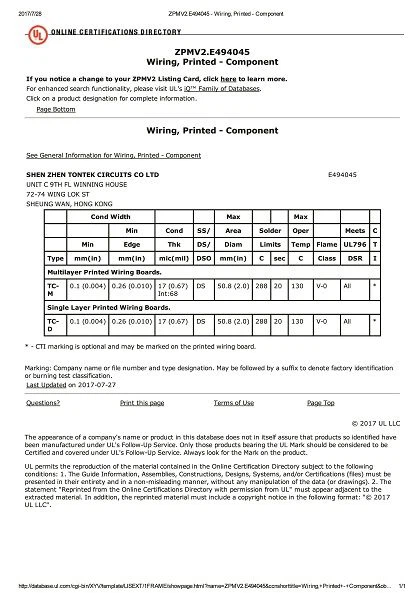
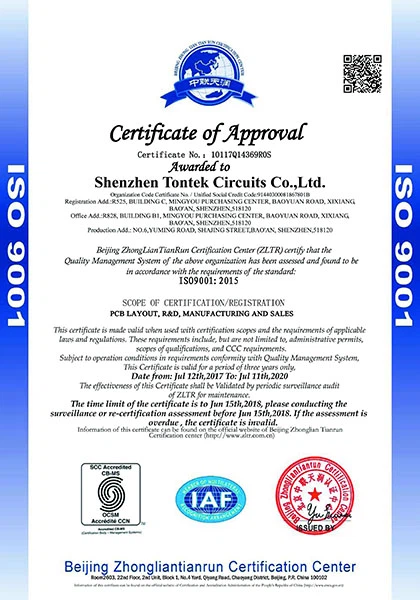
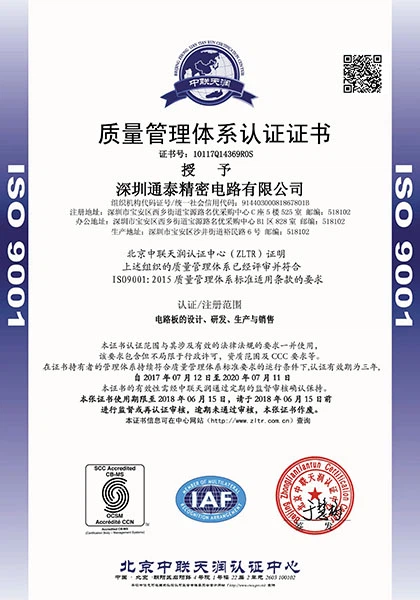
Certificate
Package & Delivery
Package: Standard export package or Custom
Delivery: By air express, by sea

FAQ
As one of the most professional high-speed PCB manufacturers and suppliers in China, we're featured by quality products and low price. Please rest assured to buy cheap high-speed PCB from our factory.
DSC03239-03242, Multilayer High Speed PCB, High Temperature PCB